
Gujarati Wedding Jewellery Checklist & 6-Month Plan
 A P Jewellers
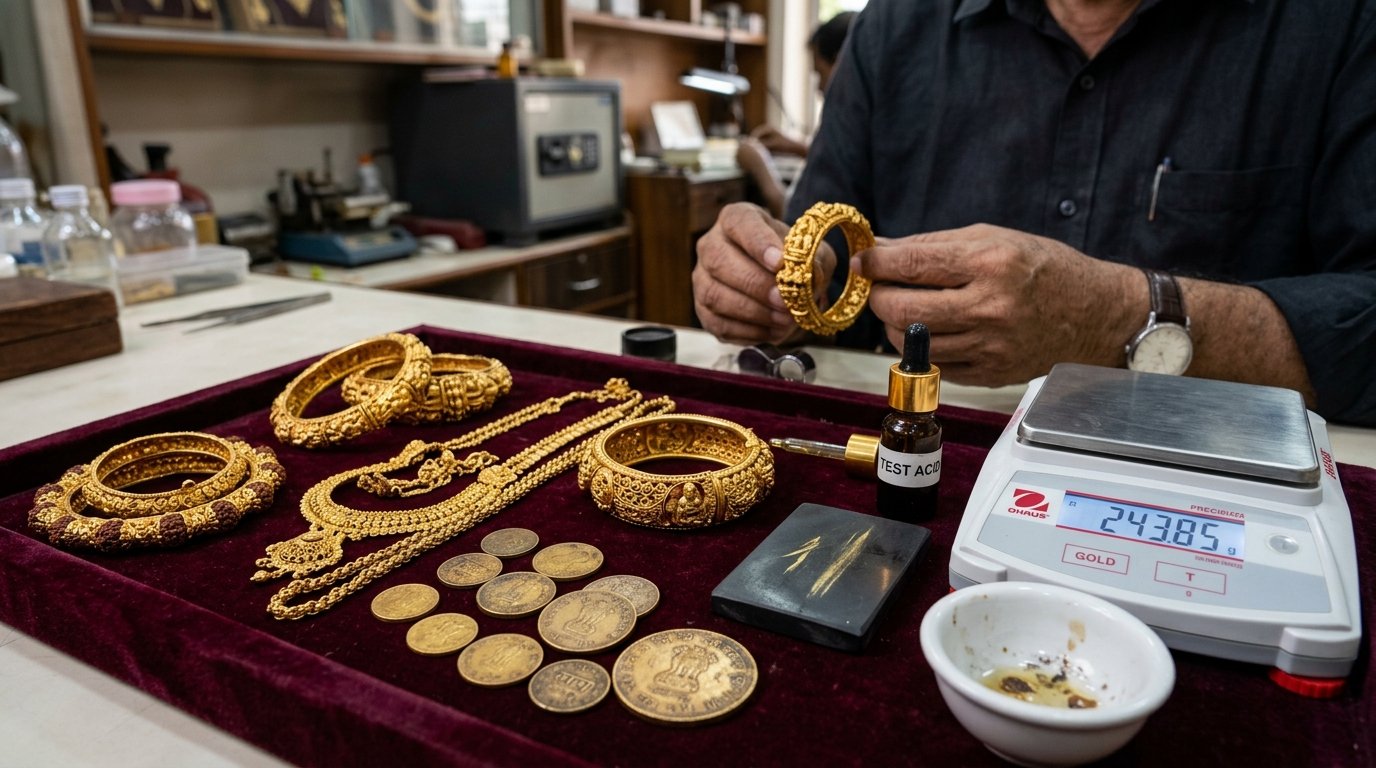
Bridal jewellery planning becomes stressful when families begin with a list of ornaments instead of a list of moments. Start with the bride's actual functions, outfits, comfort and family pieces. Then decide what to buy, remake, borrow or skip. The result feels personal on the wedding day and remains wearable afterwards.
The 45-minute family meeting that prevents duplicate shopping
Before visiting any showroom, bring together the bride, one decision-maker from each side if appropriate, and the person who knows the family's existing jewellery. Answer five questions:
- Which functions need a distinct look? List the actual events rather than copying a standard wedding schedule.
- Which pieces already exist? Inspect heirloom necklaces, bangles, earrings, nath, waist belt and coins. Note condition and fit.
- What must feel traditional? Identify the one or two pieces carrying family or community meaning.
- What should be wearable after marriage? Rings, bangles, chains, studs and convertible necklaces often provide repeat value.
- Who approves the budget and design? Too many late opinions create expensive changes.
Photograph every family piece against a plain background and create one shared folder. Add approximate weight, condition, owner and intended function. This small inventory prevents buying a second version of something already available.
A practical six-month Gujarati bridal jewellery timeline
6 months before: define the jewellery brief
- List functions, outfits and likely necklines.
- Complete the family-jewellery inventory.
- Choose three priorities: heritage, repeat wear and visual impact.
- Set a complete budget that includes making, stones, tax, resizing and a small contingency.
- Decide whether any old pieces need repair, independent testing or redesign.
5 months before: lock the wedding-day direction
- Choose Panetar/Gharchola or the final wedding outfit direction before fixing necklace length.
- Decide whether the neck will have a choker, long haar or a layered combination.
- Shortlist Damini/Mathapatti, Nath/Nathni, earrings, bangles and Kandora only where they suit the bride and family custom.
- Start custom orders and difficult resizing early.
4 months before: complete supporting looks
- Finalize the engagement ring and check its practical daily-wear setting.
- Select secure jewellery for garba/sangeet movement.
- Choose a reception look: traditional repeat, natural diamond, laboratory-grown diamond or a contemporary gold set.
- Plan earrings around actual hairstyle and dupatta/pallu placement.
8–10 weeks before: first full fitting
- Try the blouse neckline, necklace layers, earrings and head jewellery together.
- Walk, sit, bend and turn the head for at least fifteen minutes.
- Check bangle passage over the hand and whether the Kandora pinches while sitting.
- Photograph the look in daylight and normal indoor light.
4–6 weeks before: documentation and corrections
- Complete size corrections, hook changes and loose-stone inspections.
- Verify HUID details for applicable hallmarked articles using the BIS Care app.
- Store invoices, grading reports and product photos digitally and physically.
- Confirm which pieces come from which family and who returns borrowed items.
Wedding week: pack by function, not by ornament type
- Create a separate labelled pouch/box for each event.
- Add a printed reference photo showing the complete look.
- Include spare earring backs, safety chain, soft cloth and non-damaging pins.
- Assign one jewellery custodian and one backup—not a changing group of relatives.
Build each look around the function
| Function | Practical jewellery direction | Fit question |
|---|---|---|
| Gol Dhana / engagement | Ring as the focal point, with a light necklace or pendant and coordinated earrings. | Can the ring be worn daily, resized and cleaned easily? |
| Pithi / Mehendi | Minimal, secure pieces or family-approved floral alternatives to protect fine jewellery from paste, oil and snagging. | Will the piece interfere with sleeves, hand decoration or washing? |
| Garba / Sangeet | Movement-friendly earrings, secure necklace closure and bangles that do not slide excessively. | Can the bride turn, dance and lift her arms comfortably? |
| Wedding ceremony | The strongest heritage look: selected necklace layers, earrings, head jewellery, bangles, Nath and Kandora according to family custom. | Does every layer remain stable while sitting for rituals and moving around the mandap? |
| Reception | A cleaner silhouette, diamond-focused set or a reworked wedding necklace with fewer layers. | Does it suit the gown/saree neckline and reception lighting? |
Traditional Gujarati bridal jewellery checklist
This is a selection menu, not a compulsory list. Use the family's terminology; names and designs can vary.
- Damini / Mathapatti: head jewellery; test with the final parting, bun and pallu.
- Nath / Nathni: confirm pierced or support-chain style and speaking comfort.
- Kundan Butti / Jhumka: test weight with hair chains or ear support where used.
- Choker / Gulubandh: match to the blouse neckline and breathing comfort.
- Rani Haar / long necklace: check how it falls over embroidery and other layers.
- Chandanhaar: discuss its family meaning and whether it is bought, inherited or redesigned.
- Patla / Bangdi / Kada: measure both hands; plan the order with glass or other ceremonial bangles.
- Bajubandh: fit after blouse sleeves are final and test arm movement.
- Kandora / Kamarbandh: measure over the actual saree drape, not over casual clothes.
- Ring / engagement ring: allow for heat-related finger swelling and future resizing limits.
- Mangalsutra: choose length, pendant style and daily-wear practicality based on family custom.
- Payal / anklets: allow comfortable movement and confirm whether the pair is quoted by pair or piece.
For regional context and ornament meanings, see the existing Sabarkantha and North Gujarat bridal traditions guide.
A better bridal jewellery budget: fund roles, not random items
A rigid rupee chart becomes outdated as gold rates change. Use five budget envelopes instead:
1. Core wedding look
The main necklace, earrings and selected ceremonial pieces. Protect this budget first.
2. Repeat-wear value
Daily or occasion jewellery: rings, bangles, chain, studs, pendant or mangalsutra.
3. Family legacy work
Repair, purity testing, resizing, restoration or redesign of inherited pieces.
4. Additional functions
Engagement, garba/sangeet and reception variations. Reuse one base set where possible.
5. Completion costs
Making, stones, hallmarking, tax, locks, safety chains and last-minute corrections.
If the budget is tight, reduce the number of one-time pieces before compromising on documented purity, secure construction or a comfortable fit. A convertible necklace, detachable pendant or earrings that can be worn without the bridal chain may deliver more future use.
The full trial: what mirror selfies often miss
Wear the final or near-final blouse, saree drape, hairstyle base and footwear. Then test:
- Necklace spacing: layers should not fight for the same position or flip over embroidery.
- Head movement: earrings, ear chains, Damini and pallu should not pull against one another.
- Mandap sitting: sit cross-legged or in the expected ceremony position and check the Kandora and long haar.
- Hug test: make sure sharp settings do not catch another person's clothing.
- Photography: view from front, both profiles and seated position in daylight and warm indoor light.
- Time test: keep the complete set on for at least fifteen to twenty minutes. Pressure points appear later than the first mirror look.
Buying, hallmark and invoice checklist
- Match gold purity to use: traditional gold pieces and stone settings can require different alloys/construction.
- Use the BIS Care app to verify the HUID of applicable hallmarked gold/silver articles.
- Check net precious-metal weight separately from stones and other materials.
- Ask how making charges are calculated and request a complete pre-tax quotation.
- For diamonds, confirm whether each described stone is natural or laboratory-grown and verify the grading report number where provided.
- Read resize limits for rings, bangles, rigid chokers and stone-set designs.
- Ask how repairs, loose stones, polishing and exchange are handled after the wedding.
- Ensure the invoice identifies each article, purity, net precious-metal weight and applicable charges.
If you need help reading the quote, use the gold jewellery price calculation guide.
Wedding-week jewellery packing system
- Use a separate rigid box or padded pouch for each function.
- Place each necklace flat; do not stack chains loosely.
- Pair earrings with backs and support chains in a tiny labelled pouch.
- Add the function name, wearing order and a reference photo.
- Record who takes the box, who opens it and who returns it after the function.
- Keep invoices and certificates in a different secure location, with digital copies accessible to the family.
- Do a final piece count immediately after removing the jewellery—not the next morning.
Seven common planning mistakes
- Buying the necklace before confirming the blouse neckline.
- Using only showroom lighting to judge diamonds and coloured stones.
- Choosing every piece as a statement piece, leaving no visual hierarchy.
- Ignoring the weight of head jewellery and earrings.
- Budgeting only from the gold rate and forgetting making, stones and tax.
- Authorizing heirloom melting before photographs, family approval and a written evaluation.
- Keeping all functions' jewellery in one unlabelled box.
Frequently asked questions
When should a Gujarati bride start jewellery shopping?
Start about six months before the wedding when custom work, family redesigns or multiple function looks are involved. Ready pieces may need less time, but outfit trials and corrections still need a buffer.
Which Gujarati bridal jewellery pieces are compulsory?
There is no universal compulsory online list. Family, community and regional practices differ. Begin with the family's ceremonial expectations and the bride's comfort.
Should the outfit or jewellery be selected first?
Set the wedding-day visual direction together, but finalize the neckline, drape and colour before locking necklace length and layers.
How can we reduce the bridal jewellery budget?
Reuse family pieces, repeat a base set across functions, choose detachable/convertible designs and prioritize future-wear pieces. Do not compromise on documented purity or secure construction.
How do I know if heavy earrings are safe for the full event?
Wear them with the planned hairstyle and support system for at least fifteen to twenty minutes. Turn your head, talk and walk. Pain or pulling during the trial is a reason to adjust or choose a lighter option.
Can old family jewellery be redesigned for the wedding?
Often yes, depending on construction and condition. First photograph it, obtain family approval, test purity if needed and compare repair, partial redesign and full remake before authorizing melting.
What documents should be kept after bridal shopping?
Keep itemized invoices, HUID details, diamond grading reports, product photographs, design codes and written repair/exchange policies in both physical and digital form.
Plan the trousseau before selecting the pieces
Bring outfit references, family-jewellery photos, function list and budget priorities to the Prantij showroom. The team can help organize suitable design directions and current availability without treating every checklist item as compulsory.
Book bridal discussion Explore bridal jewellery- BIS Guidelines for Jewellers, July 2026—HUID, weight, sales-outlet and invoice checks.
- BIS Care app—official Verify HUID feature.
- A P Jewellers' Sabarkantha bridal traditions page—local terminology and regional context.
Reviewed 31 August 2026. Cultural practices differ; confirm ceremony-specific expectations with your family and community elders.
Coordinate Custom Ornaments
Have questions about gold purities, bis certifications, or design rates discussed in this article? Chat with our experts directly.